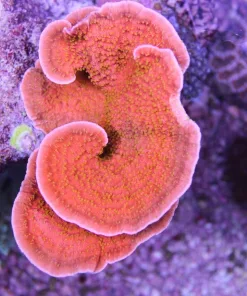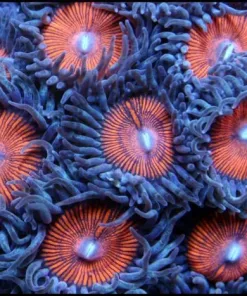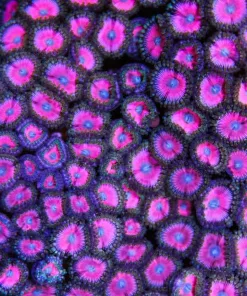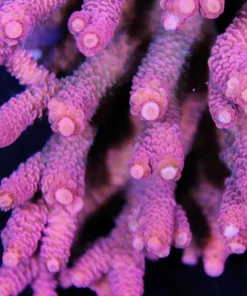


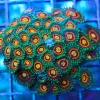


Purple Monster Zoas
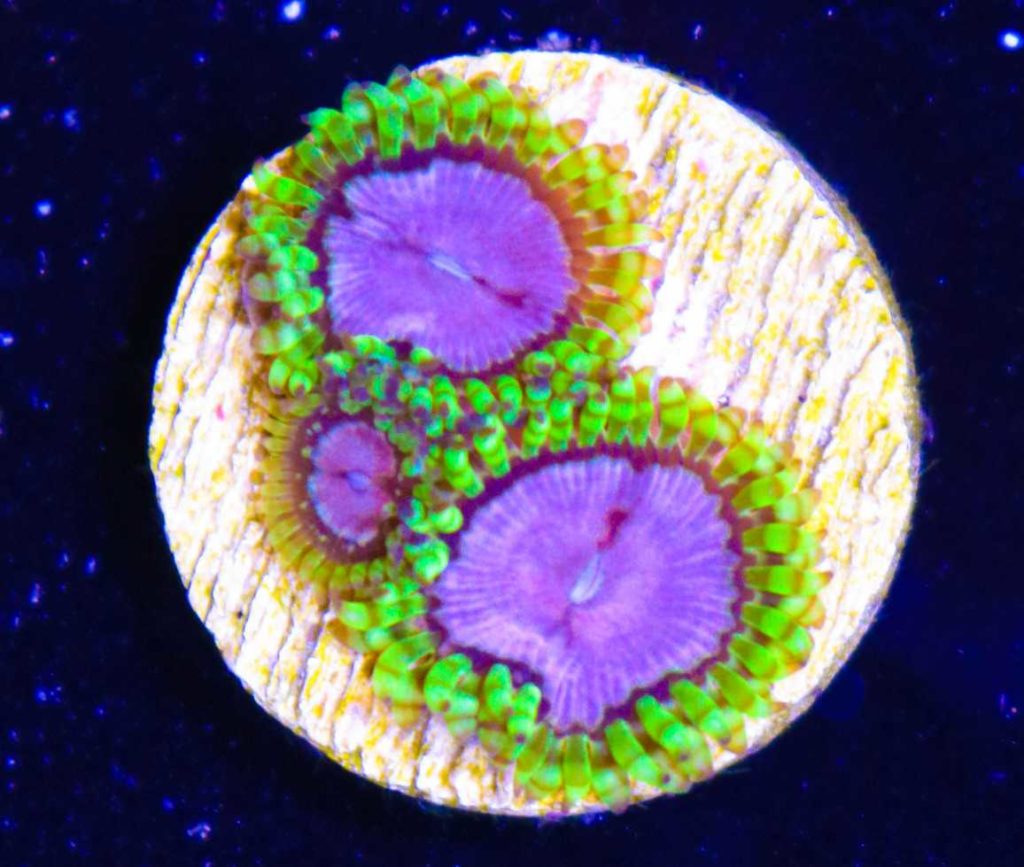
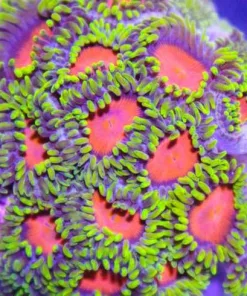
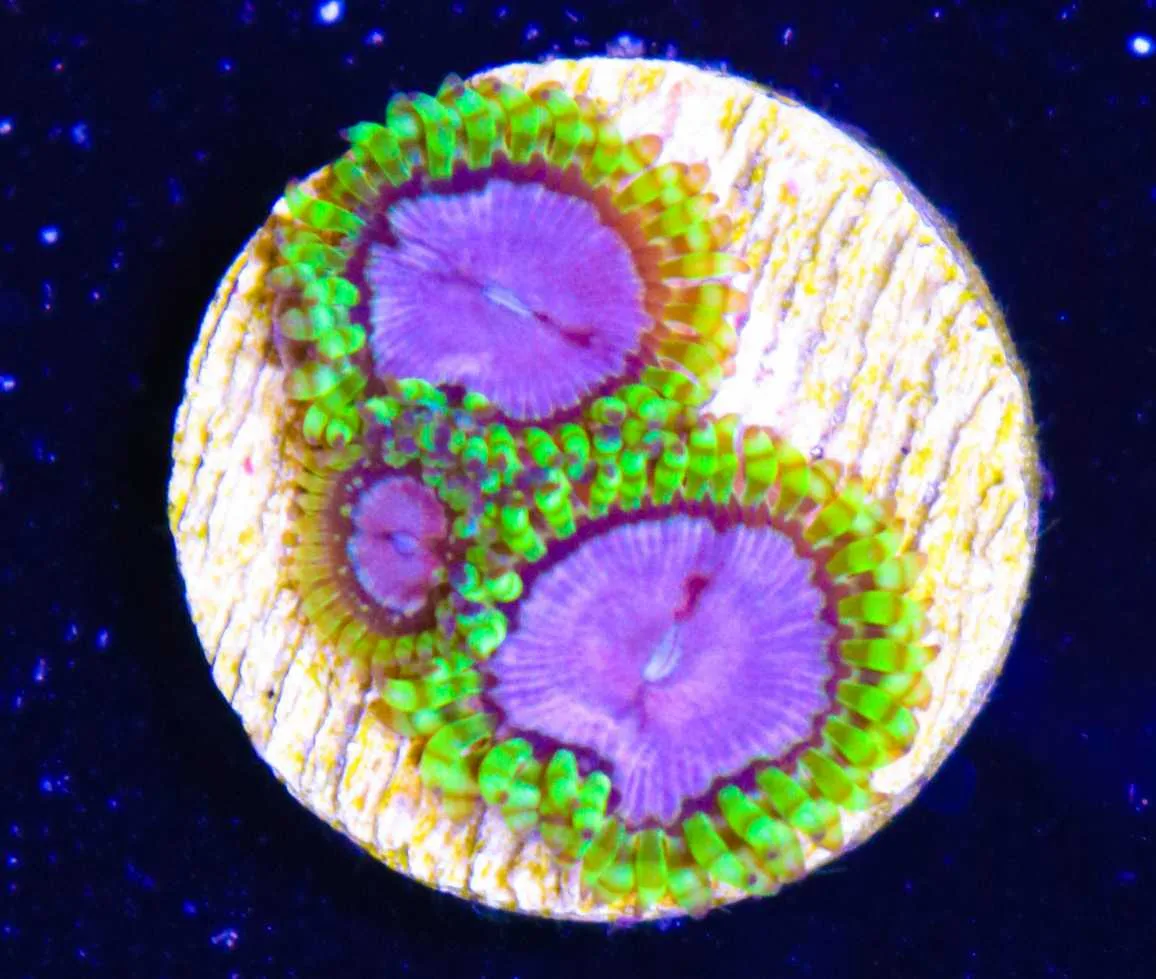
rnPurple Monster Zoasrnrn(Zoantharia)rnrnPlacement: Mid to LowrnrnLight: Low to ModeraternrnFlow: ModeraternrnCare Level: EasyrnrnType: Soft Coral (zoanthid)rnrnCompatibility: PeacefulrnrnGrowth Rate: FastrnrnPhotosynthetic: YesrnrnSpecial Care: Some species contain toxins. Handle carefullyrnrn rnrnPurple Monster Zoas straddle the line between Zoanathids and Palythoas, having the large heads of palys but growing directly against the rock like zoas. Regardless of how they are classified, they make a beautiful addition to any reef tank. They have large polyps with a purple centre surrounded by a bright, neon green skirt. Like all zoas and palys they grow by budding and form a colony with all the polyps connected by fleshy tubes. While they may take a while to start growing in a home aquarium, they are generally considered to be fairly fast growers once established.rnrn rnrnZoas are found in a wide variety of tropical and subtropical ocean environments but the vast majority of what is available for sale in the saltwater hobby is aquacultured. This is especially true for readily identifiable morphs such as Purple Monster. Aquaculturing ensures a uniformity among specimens and also allows for the selective breeding of morphs that are adapted to living in aquariums. When placed in a home tank they are best placed on rock islands on the substrate. This is because, like all corals, they have no “off switch” and will grow continuously. While they are a beautiful purple and green colour, most aquarists don’t want even something as beautiful as Purple Monster Zoas taking over their whole tank. Multiple smaller rocks with different coloured zoas can be placed together to form the classic “zoa garden”.rnrn rnrnPurple Monster Zoas are fairly tolerant of a variety of lighting conditions but they should not be placed in very high light areas of the tank as this could cause the polyps to stay closed or even for the whole specimen to “melt”. They also should not be placed in totally shaded areas. Flow should be moderate, enough to keep the polyps from being covered by detritus but not so strong that they are blown around aggressively. If a zoas polyps are moving excessively, or remaining closed, they may be receiving too much flow. For these reasons, zoa rocks are generally placed on the substrate.rnrn rnrnLike all zoas, Purple Monster Zoas are photosynthetic, although they respond well to spot feeding. This will increase their growth rate and may improve colouration. They can be fed a general coral food such as Reef Roids. Zoas are one of the few corals that prefers more nutrient rich (dirtier) water and may grow faster in tanks with higher nitrate levels. Care must be taken, however, not to raise nitrates too high, as this will have a negative impact on other coral species in the tank. The last thing a hobbyist wants are beautiful zoas and dead Acropora!rnrn rnrnDue to their speed of growth, fragging zoas is common but is a bit of an art form. Since they do not have a calcified skeleton that can be cut, polyps must be scraped from the rock and glued to a frag plug or piece of rubble rock. This usually takes a few tries but is fairly easy once mastered. The fragged polyps will soon attach themselves to the plug and begin to grow a new colony. Due to the possibility of the zoas secreting toxins when handled, it is recommended that hobbyists wear gloves and eye protection when fragging zoas.rnrn rnrn rnrn rnrn rnrn rnrn