

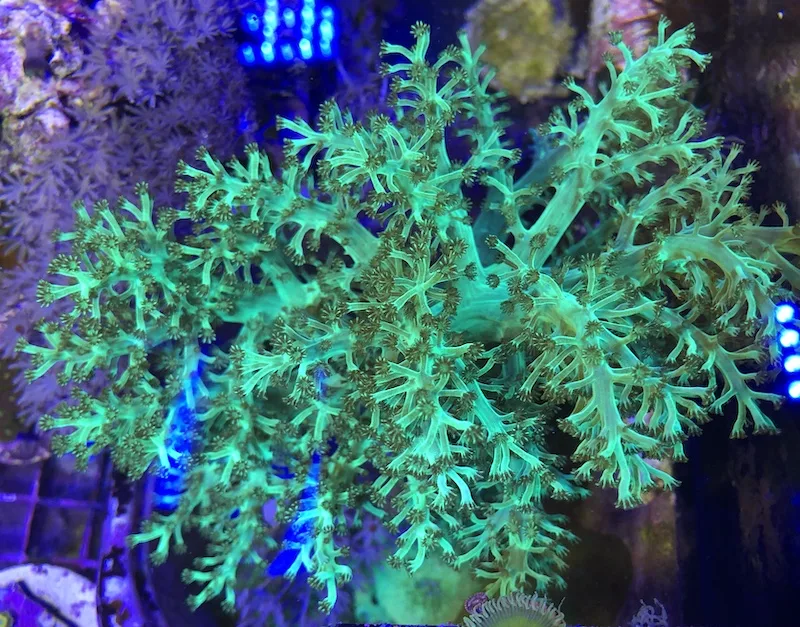


What Is Kenya Tree Coral?
Kenya Tree Coral is one of the most iconic soft corals in the reef aquarium hobby and is often one of the very first corals a new reefer adds to their tank. My name is March, I am the owner here at Fragbox and I have been keeping and selling Kenya Trees for over 16 years. They are one of my favourite soft corals to recommend to beginners — they are nearly impossible to kill, grow fast, and add incredible movement and life to any reef tank.
Kenya Tree Names
Kenya Tree Coral goes by a few names in the hobby. You will hear it called Kenya Tree, African Tree Coral, Capnella, and sometimes Colt Coral — though true Colt Coral is a slightly different species. The trade name Kenya Tree comes from its country of origin along the East African coast. It gets its name from both its geographic origin and its unmistakable tree-like appearance — a thick central stalk branching outward exactly like a miniature tree.
Kenya Tree Coral Appearance
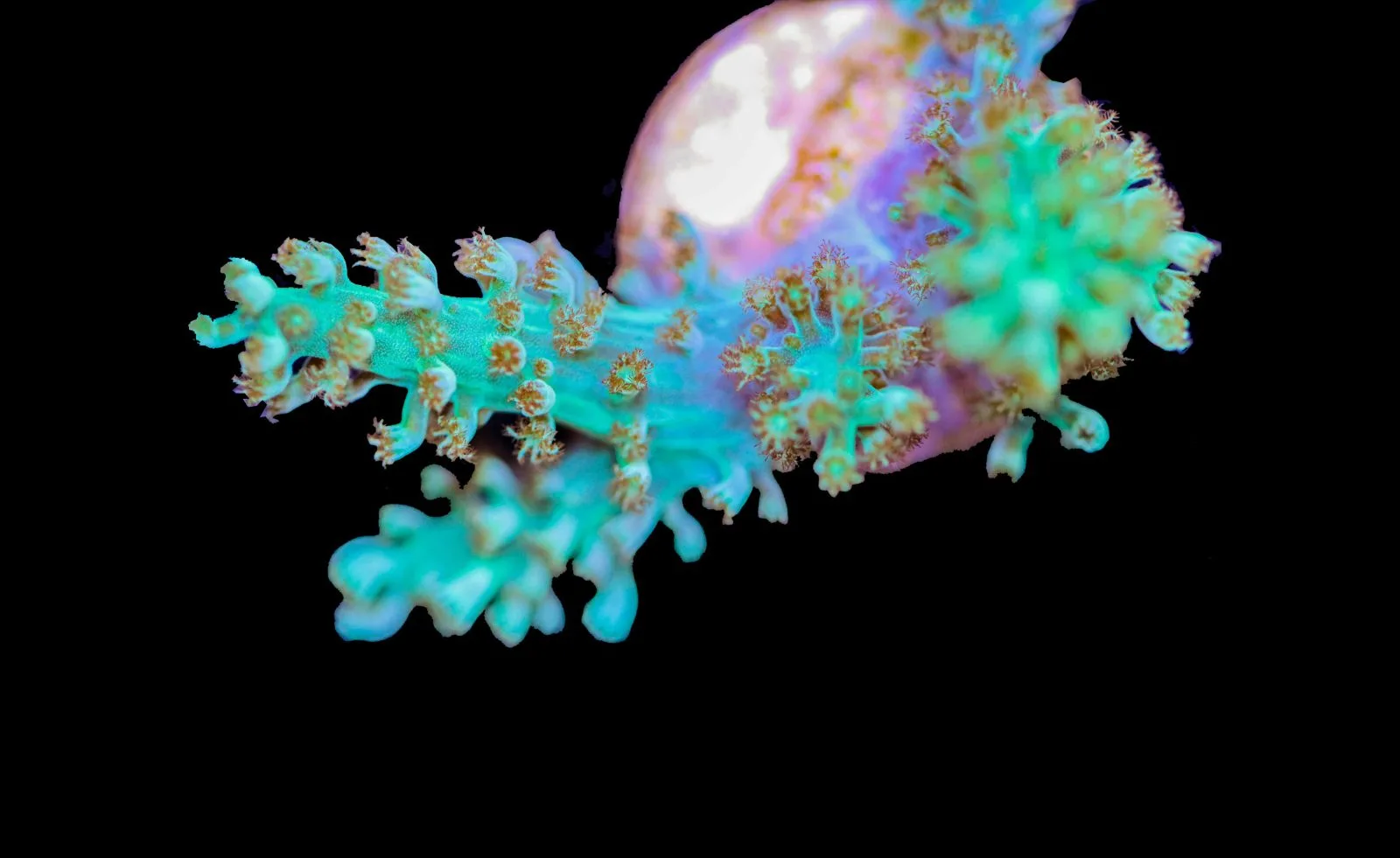
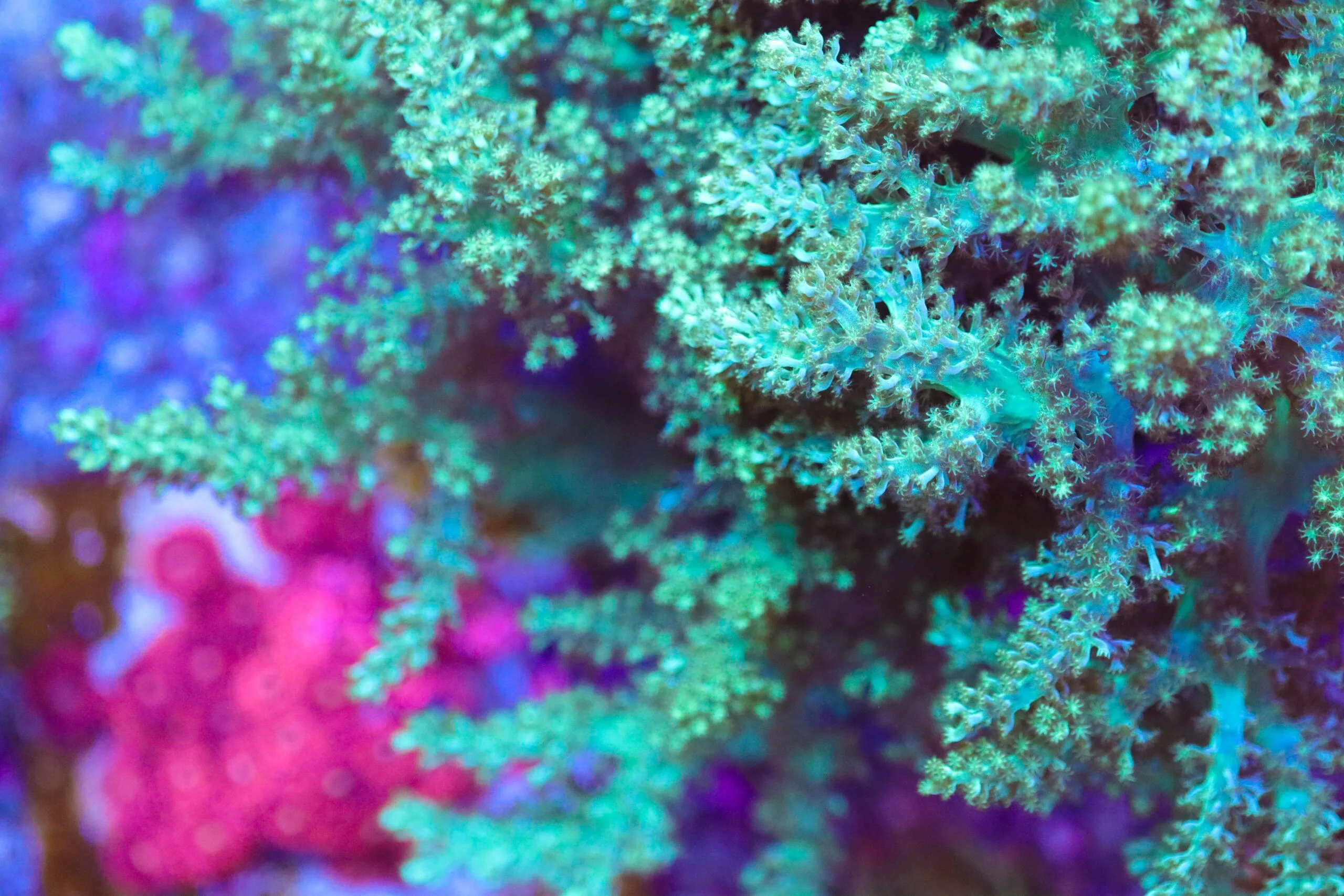
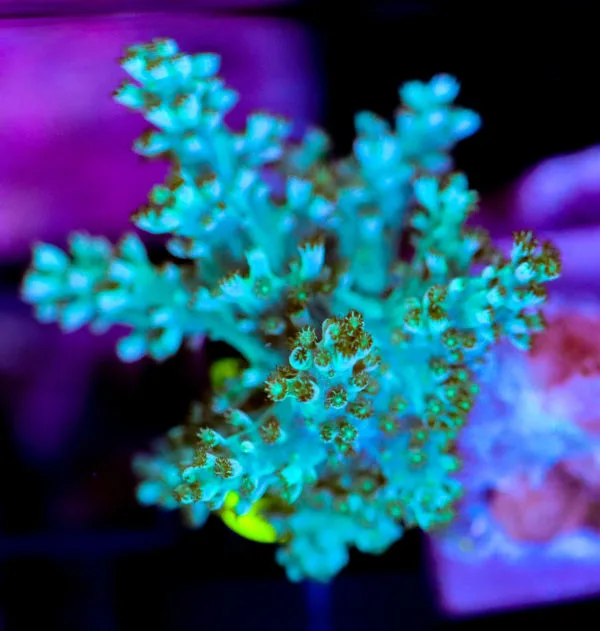
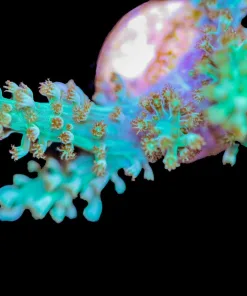
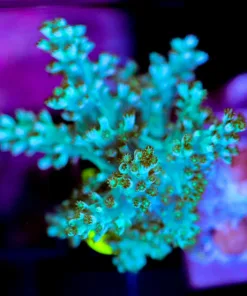
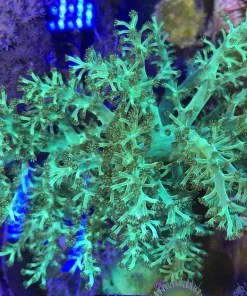
Kenya Tree Coral has a thick central stalk that resembles a tree trunk, with numerous branches that extend outward and upward. The tip of each branch ends with eight small polyps that extend and retract constantly, giving the coral incredible movement in the water column. They come in a range of colours with tan, beige, pink and purple being the most common. There is also a less common but stunning bright green colour morph. The branches sway rhythmically in the flow and the effect in a tank is absolutely mesmerizing.
Ease of Care
Kenya Tree Coral is one of the easiest corals we sell at Fragbox, full stop. It tolerates a wide range of lighting conditions, is forgiving of less than ideal water quality, and adapts to almost any flow level as long as it is not too direct. Unlike SPS or even most LPS corals it does not require stable calcium or alkalinity levels to thrive since it does not build a hard skeleton. It is photosynthetic so it gets most of its energy from light, and it will also absorb nutrients directly from the water — which is why it can actually thrive in dirtier, higher nutrient tanks. We often recommend Kenya Tree as one of the first three corals for anyone cycling a new tank.
Kenya Tree Growth
Kenya Tree Coral grows quickly once it settles into your tank. Growth rate will vary depending on your water quality and lighting but in most systems it grows noticeably within weeks. It reproduces by dropping branches — this is completely normal behaviour and not a sign of stress. Those dropped branches will float around the tank until they find a surface to attach to and then grow into a completely new colony. This self-propagating behaviour means one frag can easily turn into ten corals within a year. We have had customers trade entire colonies back to us that started as a single two-inch frag.
Kenya Tree Lighting
Kenya Tree Coral does well under a wide range of lighting conditions which is a big part of why it is so easy to keep. In the wild it is found on deeper reefs with clear water and is accustomed to lower light intensities. In a home aquarium it does not need intense lighting and will actually do better in lower to medium light areas of your tank. If exposed to too much light the polyps will remain retracted and the coral will essentially starve since it cannot photosynthesize with closed polyps. Under strong blue LED lighting the tan and pink varieties take on a beautiful purple hue. We run our Kenya Trees in our farm under about 50–80 PAR with great results. If your Kenya Tree is not extending its polyps, try moving it to a lower light area first before making any other changes.
Proper Kenya Tree Flow
Kenya Tree Coral does well in almost anything from low to high flow as long as it is not direct and blasting from a powerhead. Random, indirect flow from a wavemaker is ideal. You want the branches swaying gently and the polyps extending — that is how you know the coral is happy. Direct, strong flow will cause the polyps to stay retracted and over time can damage the tissue. In our store display we run our Kenya Trees in the outskirts of our wavemaker pattern so they get good water movement without being blasted.
Attaching Kenya Tree Coral To Your Rock
This is the one tricky part about Kenya Tree Coral — it cannot be glued. The flesh is soft and glue will not bond to it. Instead you need to let it attach naturally. The best technique is to take a rubber band or a small piece of thread and gently tie the base of the frag to a piece of rubble rock or a frag plug. Place it in a low flow area and leave it alone for a couple of weeks. It will slowly grow its foot over the rock and attach itself permanently. Once attached you can glue the rubble or plug to your main rockwork. You can find reef safe coral glue here.
Kenya Tree Gardens
Like zoanthids, Kenya Tree Corals can be placed directly next to each other with no issues. They have no sting and are completely peaceful with neighbouring corals. Many reefers create beautiful Kenya Tree gardens in the back corners of their tanks where the height and movement of multiple colonies creates a stunning underwater forest effect. They also pair beautifully with zoanthids and mushroom corals in a soft coral focused reef. One thing to watch is that Kenya Trees can occasionally release a chemical toxin into the water when stressed. Running activated carbon in your sump will absorb any toxins released.
Kenya Tree Coral Feeding
Kenya Tree Coral is photosynthetic and does not need to be fed to survive and grow in your aquarium. It gets the vast majority of its energy from the light through its zooxanthellae algae. It will also absorb dissolved nutrients directly from the water which is part of why it thrives in higher nutrient tanks. You can target feed with a plankton-based suspension like Reef Roids and the coral will benefit from it, but focus on good lighting and flow first.
Propagation
Kenya Tree Coral is one of the easiest corals to propagate and is an excellent first fragging experience. You can simply cut a branch off with clean scissors and the mother colony will grow a new branch from that spot within weeks. The cut frag needs to be attached to rubble rock or a frag plug using a rubber band or thread — remember it cannot be glued. Place it in low flow and it will attach on its own within one to two weeks. Kenya Tree will also self-propagate by dropping branches spontaneously. We have propagated thousands of Kenya Trees at our facility in Toronto and it is one of our most reliable and fastest growing corals to aquaculture.
Dipping Kenya Tree Coral
It is always good practice to dip any coral before adding it to your tank. Kenya Tree Coral has very few known pests compared to LPS and SPS corals but a quick dip in coral rx or two little fishies revive will give you peace of mind. Check out this video on how to dip corals.
![Wysiwyg Cheetoa Acan Frag [F35]](https://fragbox.ca/wp-content/uploads/2026/09/F35-1-247x296.webp)
![Wysiwyg Ricordea Florida Mushroom [F37]](https://fragbox.ca/wp-content/uploads/2026/09/F37-1-247x296.webp)
![Wysiwyg Yuma Mushroom [F33]](https://fragbox.ca/wp-content/uploads/2026/08/F33-1-247x296.webp)
![Wysiwyg Purple Goblin Acan Frag [F12]](https://fragbox.ca/wp-content/uploads/2026/08/F12-247x296.webp)
![Wysiwyg Tropical Acan Frag [F7]](https://fragbox.ca/wp-content/uploads/2026/09/F7-247x296.webp)
![Wysiwyg Tri Color Acan Frag [F16]](https://fragbox.ca/wp-content/uploads/2026/09/F16-247x296.webp)