



What Are Ricordea Yuma Mushrooms?
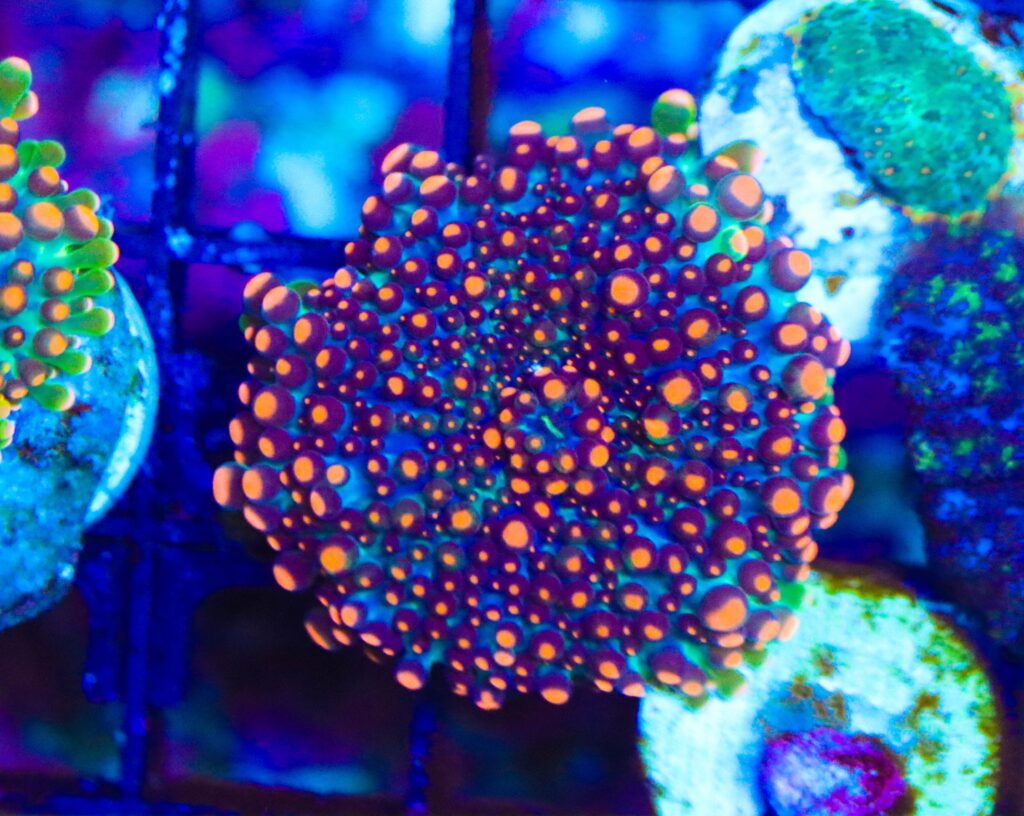
Ricordea Yuma mushrooms are some of the most visually stunning corals in the entire reef aquarium hobby. My name is March, I am the owner here at Fragbox and I have been keeping and selling Yumas for over 16 years. They are genuinely special corals — the colour combinations available in high end Yuma morphs are unlike anything else in the soft coral world. Pinks, blues, oranges, greens, and multi-colour rainbow varieties that look almost impossible. They are a member of the Corallimorpharia order, which makes them cousins to Discosoma and Ricordea Florida, and like those corals they are easy to keep. However Yumas have one non-negotiable requirement that catches a lot of reefers off guard — they absolutely must be kept in low light. Get that right and everything else is easy.
Ricordea Yuma Names
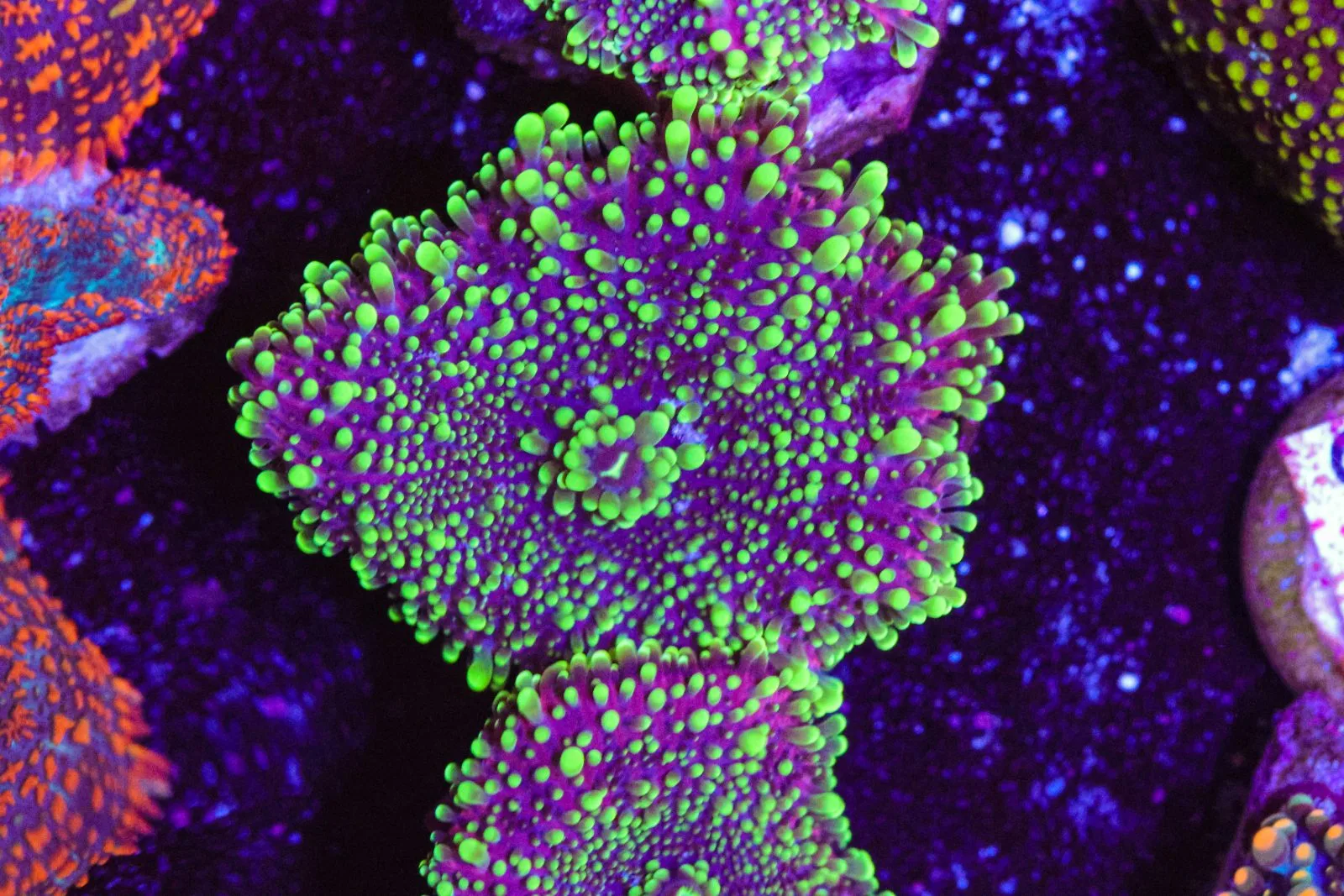
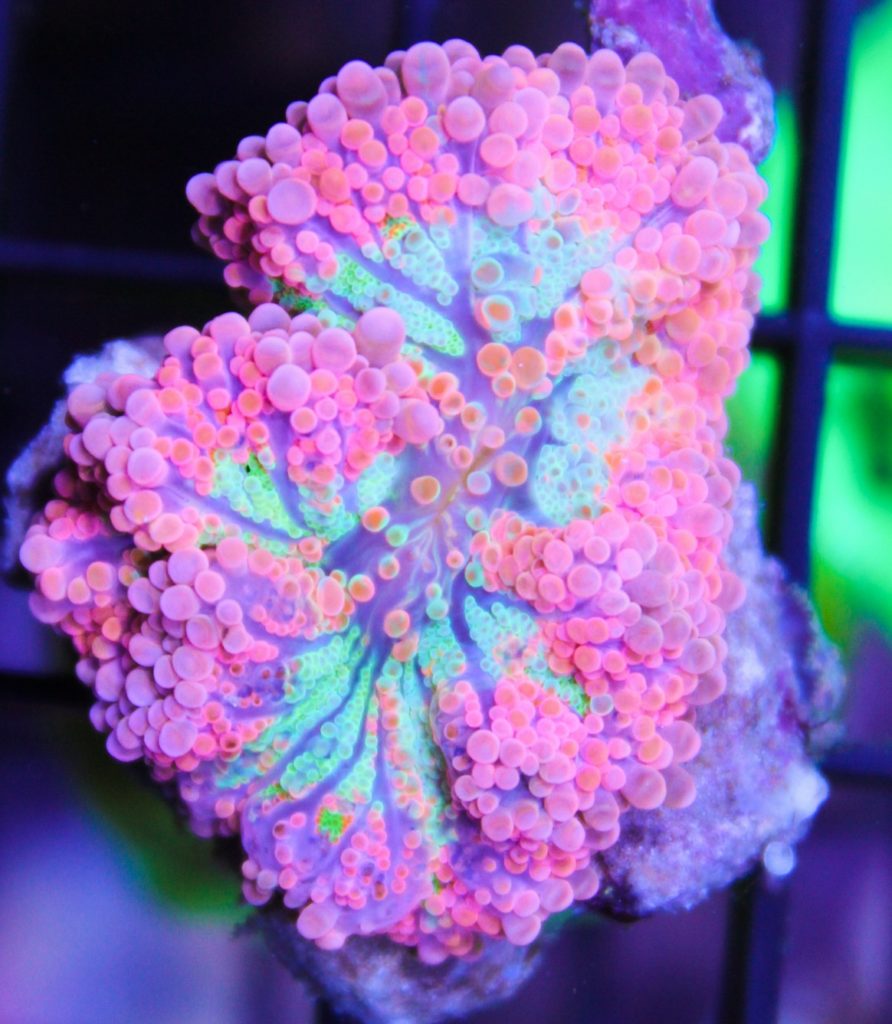
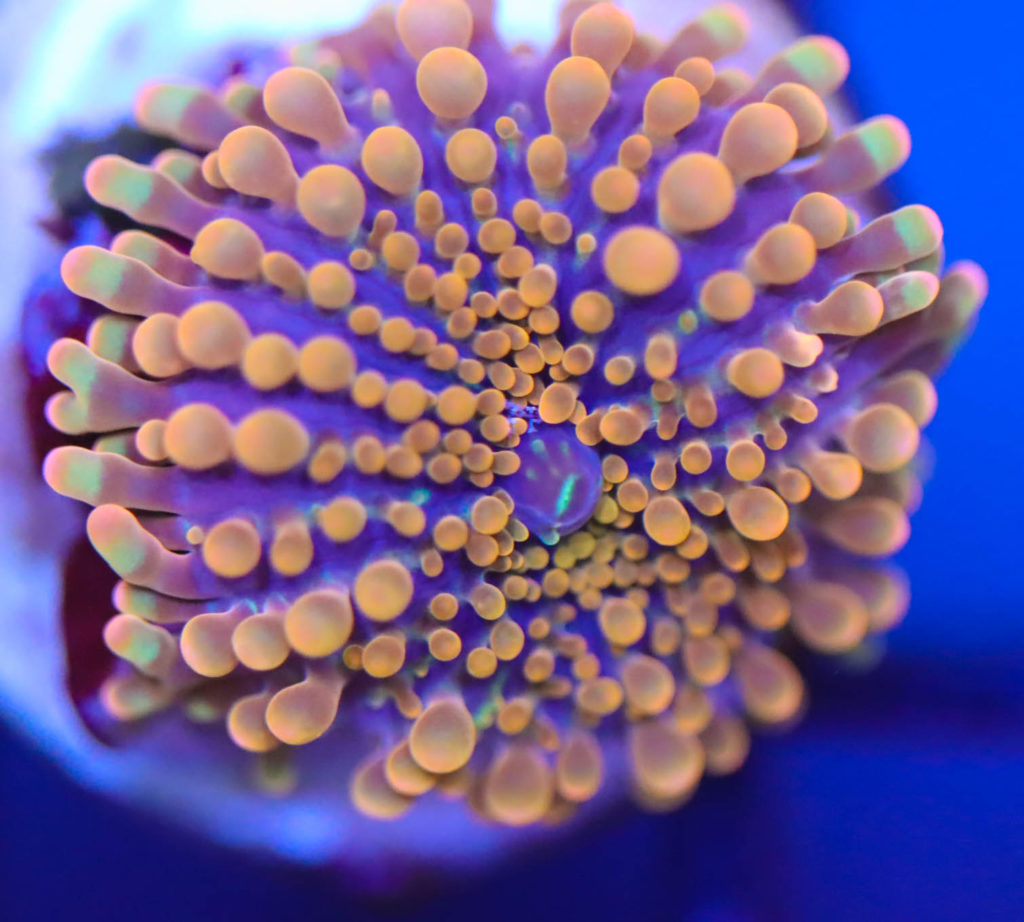
The scientific name is Ricordea yuma and in the hobby they are called Yuma, Ricordea Yuma, or Pacific Ricordea to distinguish them from Ricordea Florida which is their Caribbean relative. You will also occasionally hear them called Watermelon Coral or Flower Mushrooms. Trade names refer to specific colour morphs and the naming conventions in the Yuma world are as creative and fun as in zoanthids — Rainbow Yuma, Lucky Charm Yuma, Ultra Pink Yuma, and so on. The distinction between Yuma and Florida Ricordea is visible in the tentacle structure — Yuma has alternating rows of larger and smaller tentacles giving it a more textured, complex appearance, while Florida Ricordea has uniformly small tentacles. Both are beautiful but Yuma tends to produce more dramatic colour morphs.
Appearance
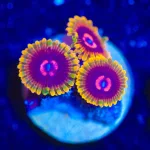
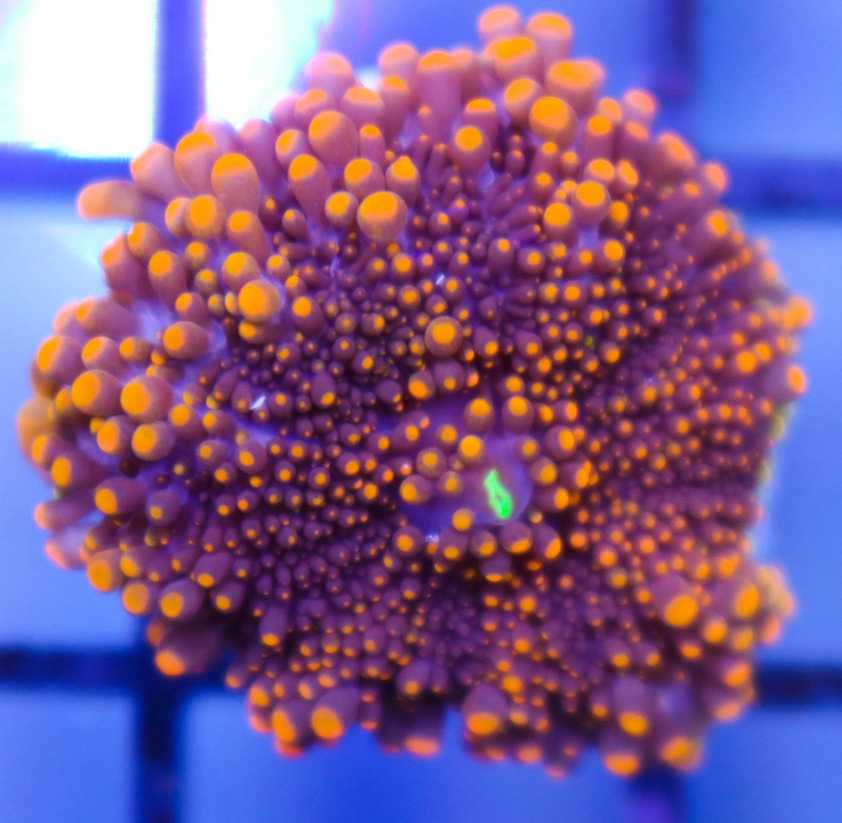
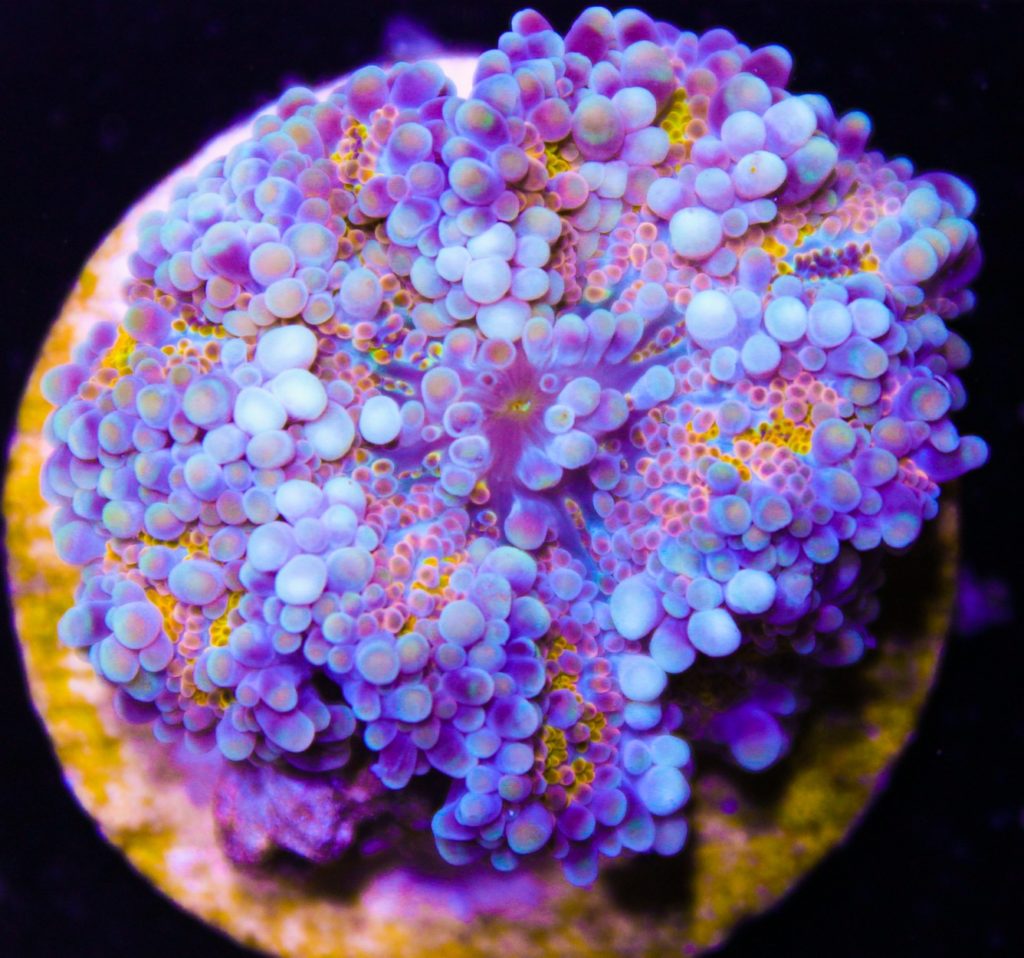
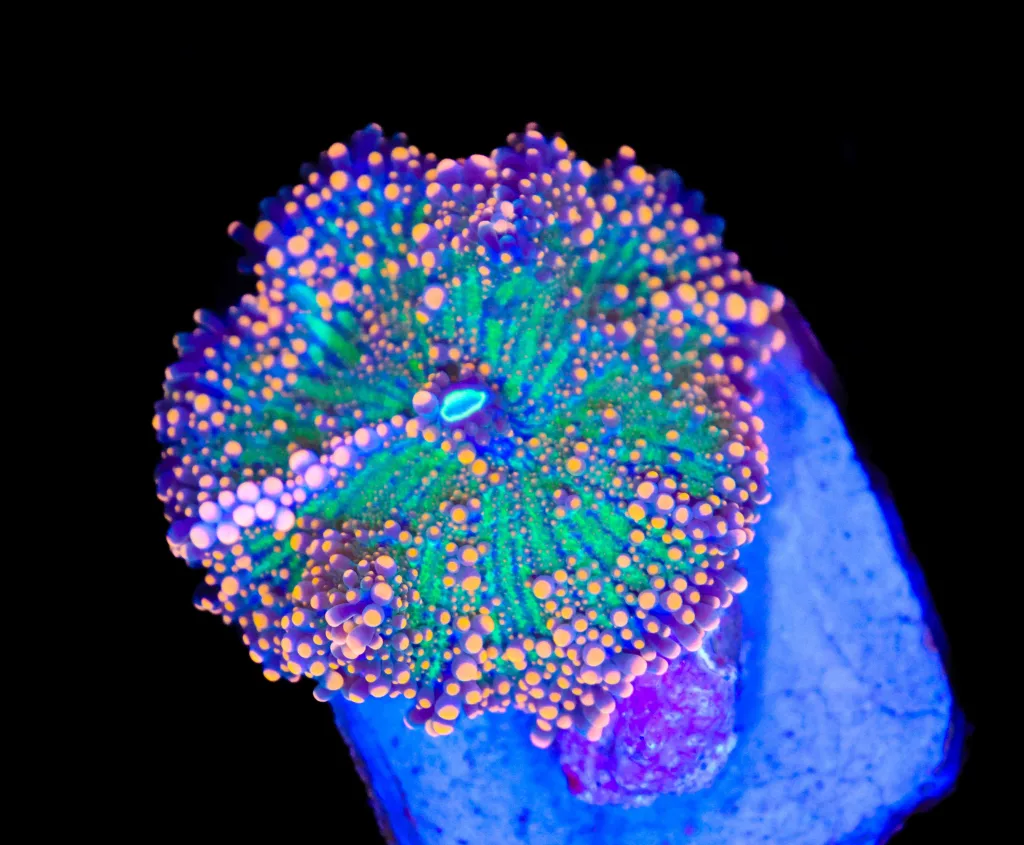
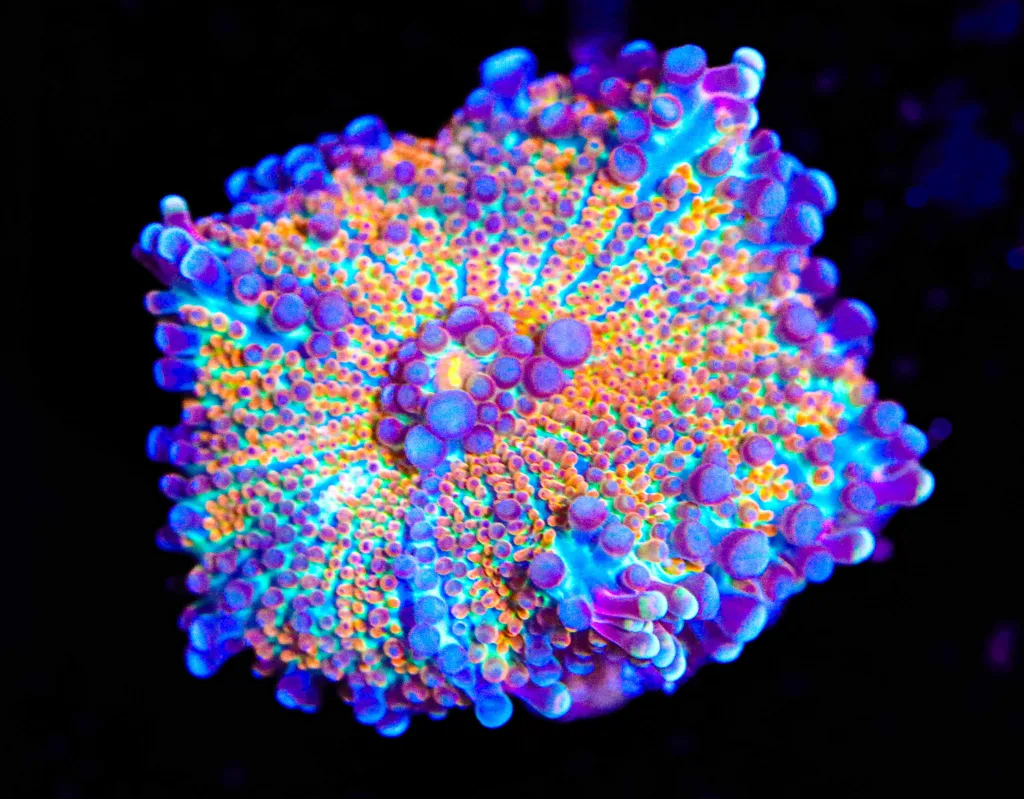
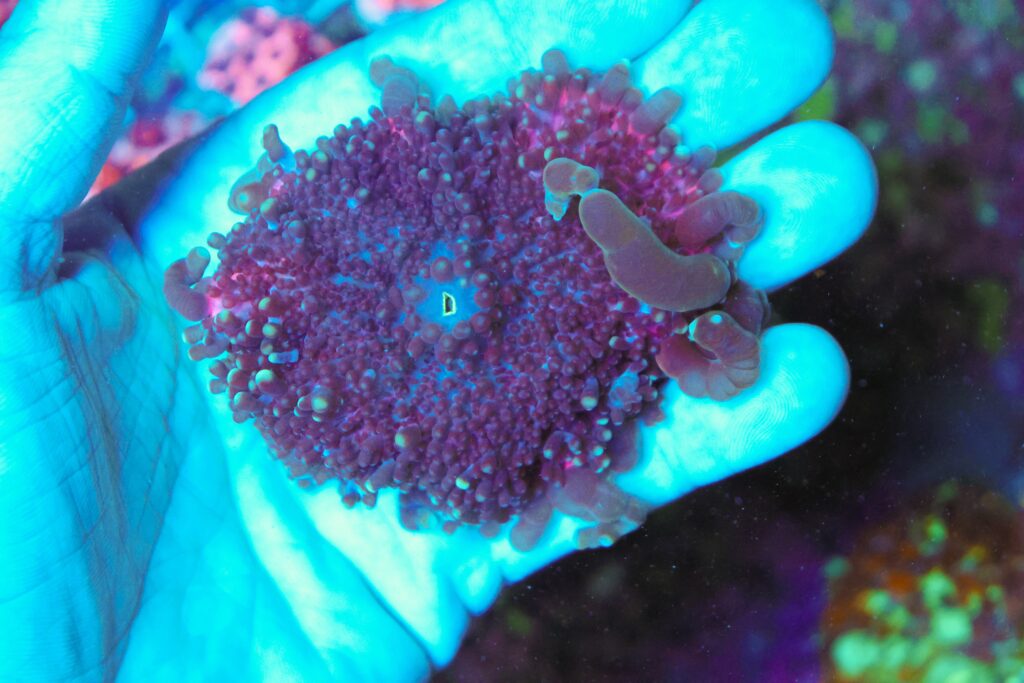
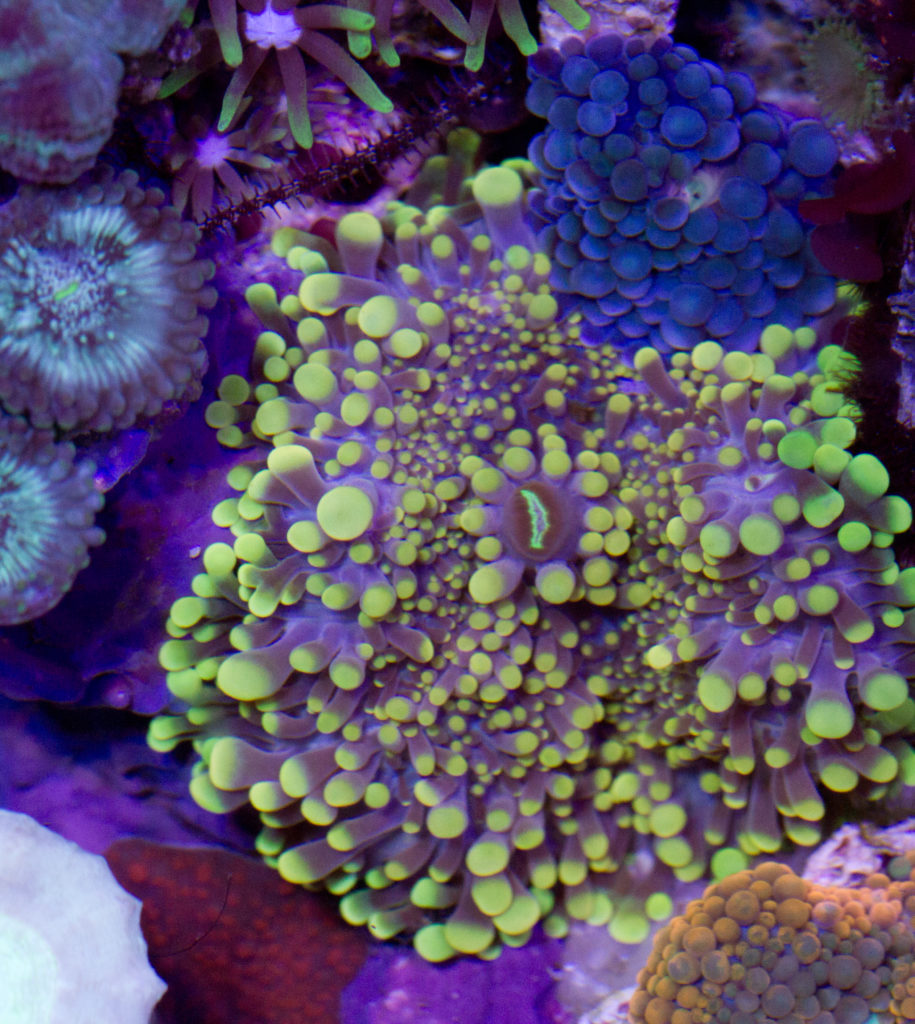
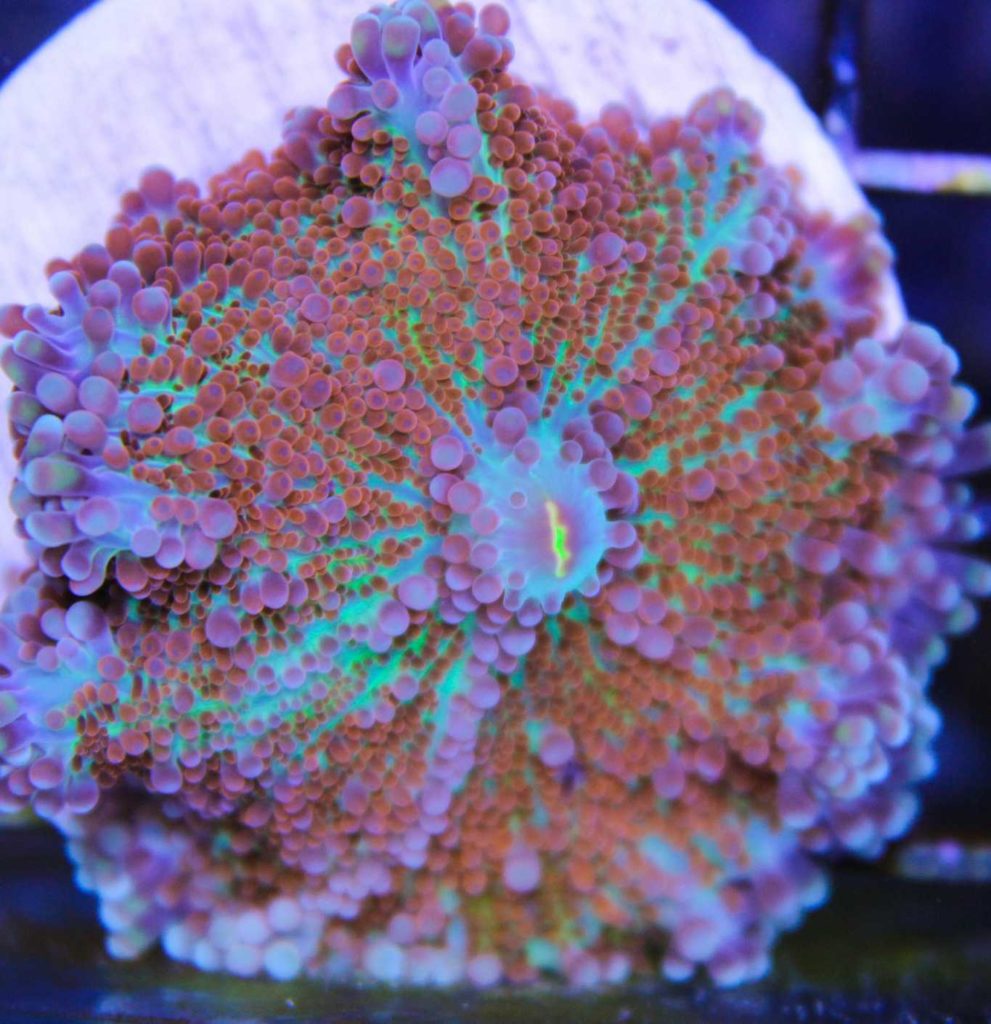
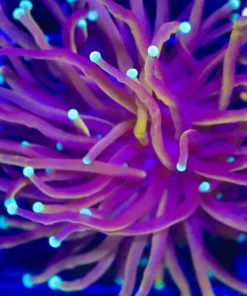
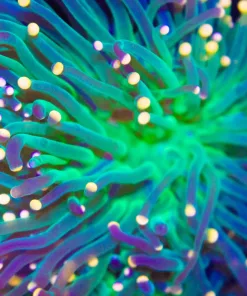
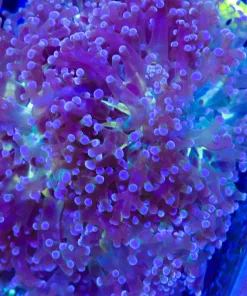
Ricordea Yuma grows as a fleshy disc-shaped polyp covered in distinctive bumpy tentacles arranged in alternating rows of large and small. This alternating pattern gives the surface a beautiful jewel-like texture that is immediately recognisable and completely different from the smoother surface of Discosoma or the uniform tiny bubbles of Florida Ricordea. The colours are extraordinary — a high end Rainbow Yuma can display three, four, or even five distinct colours across its body, mouth, inner rings, outer tentacles, and skirt. They grow to a maximum of about three inches in diameter. Under blue LED actinic lighting a well-lit Yuma collection is one of the most spectacular sights in reef keeping.
The Most Important Thing — Keep Yumas In Low Light
This is the single most critical piece of care information for Ricordea Yuma and we cannot stress it enough. Yumas must be kept in low light. This surprises many reefers because the instinct is that a coral with such vivid colours must need intense lighting to look its best — but the opposite is true for Yuma. Under too much light Yumas will deflate, lose their colour saturation, pale out, and eventually decline. The most common reason reefers lose Yumas is placing them too high in the tank under too much intensity. In the wild Yuma are found in deeper, shaded reef environments and in home aquariums this needs to be replicated. Place your Yumas at the very bottom of the tank — on the sandbed or on low-lying rock work directly on the sand. PAR levels of 30 to 75 are ideal. If your Yuma looks pale, deflated, or is shrinking rather than growing, move it lower and reduce the light intensity before anything else. Low light is not a compromise for Yuma — it is the optimal condition.
Ease of Care
Beyond the low light requirement Ricordea Yuma are genuinely easy to keep. They are photosynthetic, require no feeding to survive, tolerate a range of water quality conditions, and are hardy once settled into the right spot. They are not as bulletproof as Discosoma mushrooms but for a reefer willing to give them the correct low placement they are beginner accessible. Many reefers who have struggled with Yumas in the past find that simply moving them to the lowest, most shaded part of the tank resolves everything. Once a Yuma is in the right spot it will open fully, hold its colour, and begin spreading. That is the signal that you have got the placement right.
Ricordea Yuma Flow
Low flow is what Yumas prefer. Like their Discosoma cousins they want gentle, indirect water movement — enough to keep detritus from accumulating on the polyp and bring dissolved nutrients across the coral, but not so much that the polyp is being lifted off the rock or blown around aggressively. If the flow is too strong a Yuma will detach from the rock and drift until it finds a sheltered spot. Always place Yumas in the lowest flow, most sheltered areas of your tank. The combination of low flow and low light — which both point toward the bottom of the tank and behind rock work — makes placement intuitive once you understand what this coral wants.
Ricordea Yuma Growth
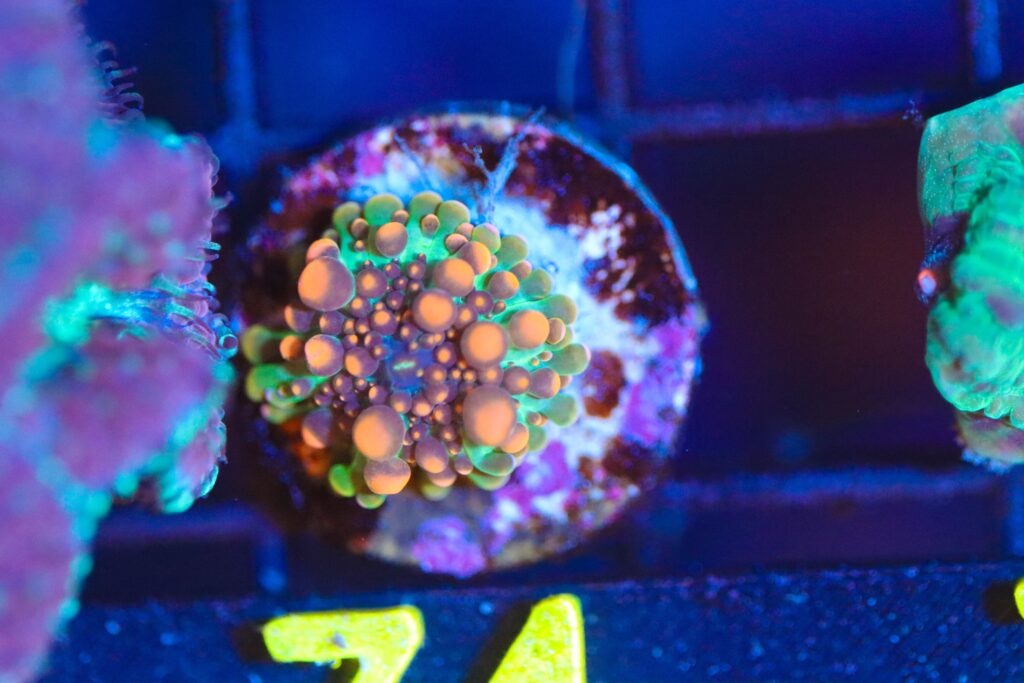
Ricordea Yuma are considered a moderately growing mushroom — faster than Florida Ricordea but slower than Discosoma. They reproduce by splitting — a single polyp develops a second mouth and then pinches into two separate independent polyps over the course of several weeks. This process is fascinating to watch and a healthy, well-placed Yuma in good conditions will split regularly. They can also be carefully fragged by cutting, as long as each piece includes a portion of the mouth. Growth rate is strongly influenced by placement — a Yuma in the right low light position will grow and split steadily while the same coral in too much light will sit deflated and make no progress at all. Getting the placement right is everything.
Compatibility
Ricordea Yuma are semi-aggressive — they have a mild sting and should not be placed in direct contact with other corals. They cannot be placed touching LPS corals or other soft corals as the sting will cause tissue damage to the neighbouring coral. However different colour morphs of Yuma can be placed next to each other to create stunning Yuma gardens, as they do not sting each other. Many collectors dedicate a whole section of their sandbed to a Yuma garden and the result — dozens of different colour morphs packed together at the base of the tank — is one of the most impressive displays in the hobby. Just keep them away from anything else.

Feeding Ricordea Yuma
Ricordea Yuma are photosynthetic and do not need to be fed to survive. That
said they do benefit from periodic target feeding with a fine particle coral food — Vitalis Soft Coral Food or a similar fine suspension works well. Feeding accelerates growth and splitting frequency noticeably. Because Yumas are placed on the sandbed target feeding is relatively easy — reduce flow, drop food directly onto the polyp, and wait. The polyp will fold around the food and consume it. Feed once or twice a week if you want to push growth. Not necessary but rewarding if you enjoy the process.
 Water Chemistry
We always recommend keeping your aquarium within natural sea water parameters — salinity of about 1.026, calcium 450ppm, alkalinity of about 8, and magnesium 1400. Ricordea Yuma are Corallimorphs and build no hard skeleton so they do not consume calcium or alkalinity in any meaningful way. They are tolerant of elevated nutrient levels and actually prefer slightly higher nutrients compared to pristine SPS-focused tanks. Consistent parameters always produce better results but Yuma will tolerate moderate imperfection as long as the lighting and flow requirements are met. We dose with Atoll daily in our facility and the consistency it provides benefits the whole system including our Yuma collection.
Propagation
Ricordea Yuma can be fragged by cutting with a clean razor blade, as long as each piece contains a portion of the mouth. Unlike Discosoma mushrooms which are very forgiving of fragging, Yuma require more care and the pieces take longer to heal and regrow. Place frag pieces in a very low flow area on rubble rock and give them several weeks to attach and recover. They cannot be glued — the tissue will not bond with adhesive. An elastic band or thread can be used to hold a piece in contact with rubble until it attaches naturally. Because Yuma grow more slowly and are more valuable than Discosoma, fragging should be done thoughtfully rather than aggressively.
Dipping Ricordea Yuma
Always dip Ricordea Yuma before adding it to your tank. A coral dip such as coral rx or two little fishies revive applied for the full recommended time is good practice and will remove any unwanted hitchhikers. Be gentle during the dipping process — Yuma tissue is delicate compared to Discosoma. Check out this video on how to dip corals.
![Wysiwyg Donatello Acan [F4]](https://fragbox.ca/wp-content/uploads/2026/09/F4-247x296.webp)