

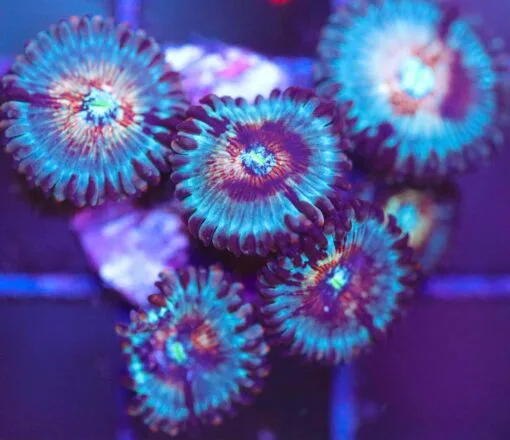


What Are Zoanthids?
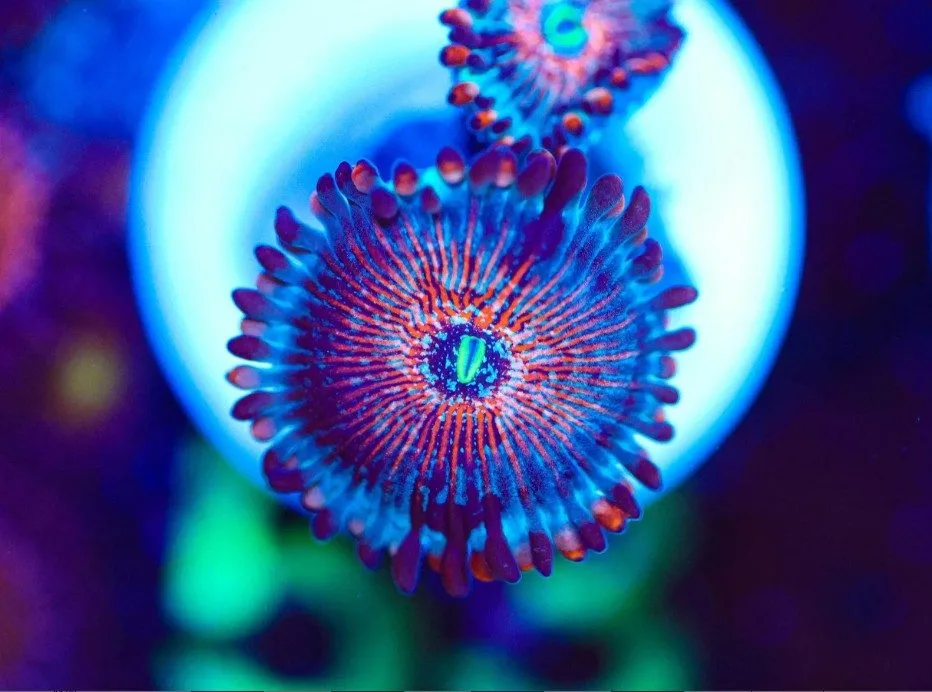
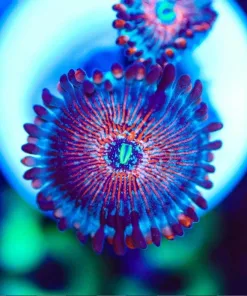
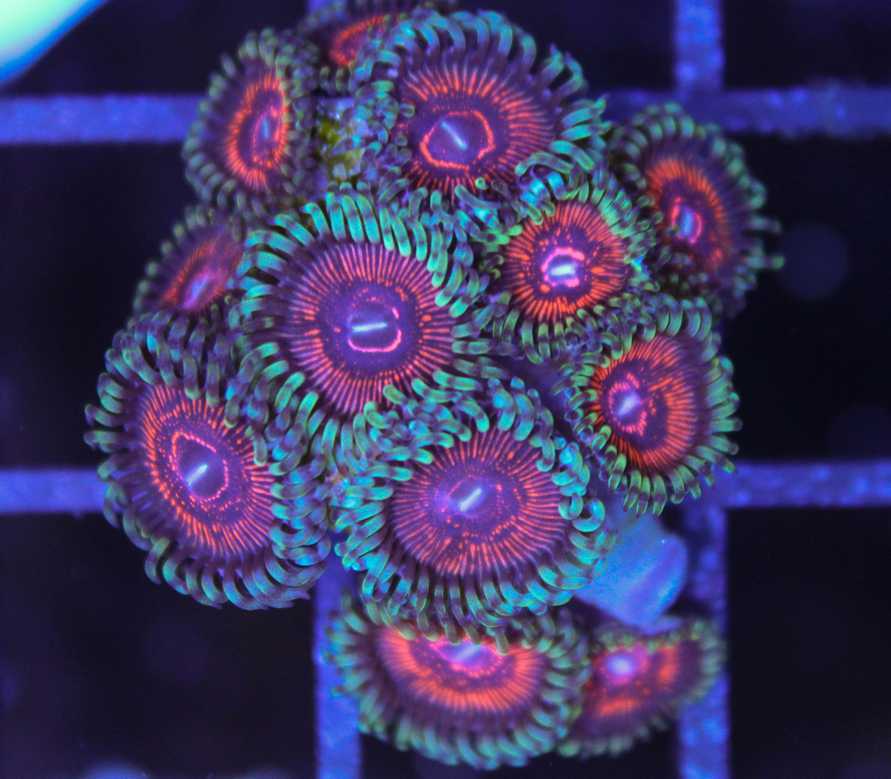
Zoanthids go by so many different names it can be confusing. We often refer to them as zoos, zoas, zoanthids, palys or even polyps. They are all referring to the same thing, these bright colorful flowerlike corals. They are a colonizing, fast growing beautiful soft species of coral that is arguably the most popular in the reef aquarium hobby.
Zoanthids Names
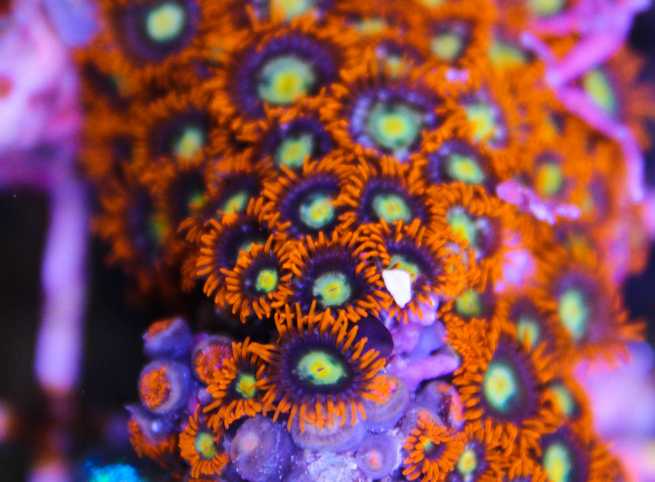
Zoanthids come in almost every color variation imaginable and every year we find new variations. Each variation has a fun trade name, some are classic names that are engrained in the hobby and commonly accepted and recognized by the reef aquarium keeping community. Examples of classic undisputed zoas names are sunny D\\\\\\\\\\\\\\\\\\\\\\\\\\\\\\\’s, utter chaos, rastas and blue hornets.
Zoanthids Color & Size
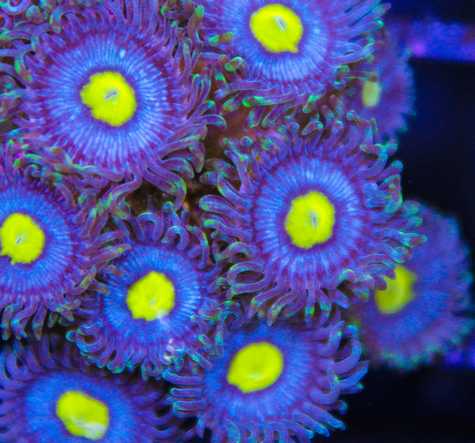
There is literally no limit to the variations and colors zoa can come in. They get their color from the zooxanthellae bacteria that lives on them. True blue zoanthids are the rarest color to find in zoas. Placement and lighting strength can sometimes dictate the size and color of zoanthids.
Ease of Care
Because zoanthids are so adaptable in terms of light, nutrients and flow it makes them one of the easiest corals to care for and grow. They do well in clean aquariums but are also forgiving of less than ideal nutrient rich waters. They don\\\\\\\\\\\\\\\\\\\\\\\\\\\\\\\’t sting other corals, they are super colorful and grow like weeds.
Zoanthid Lighting
Zoanthids do well under a variety of lighting conditions. We generally recommend placing them lower to the middle part of your aquarium. 150 Par is the sweet spot for most zoanthids.
Proper Zoanthid Flow
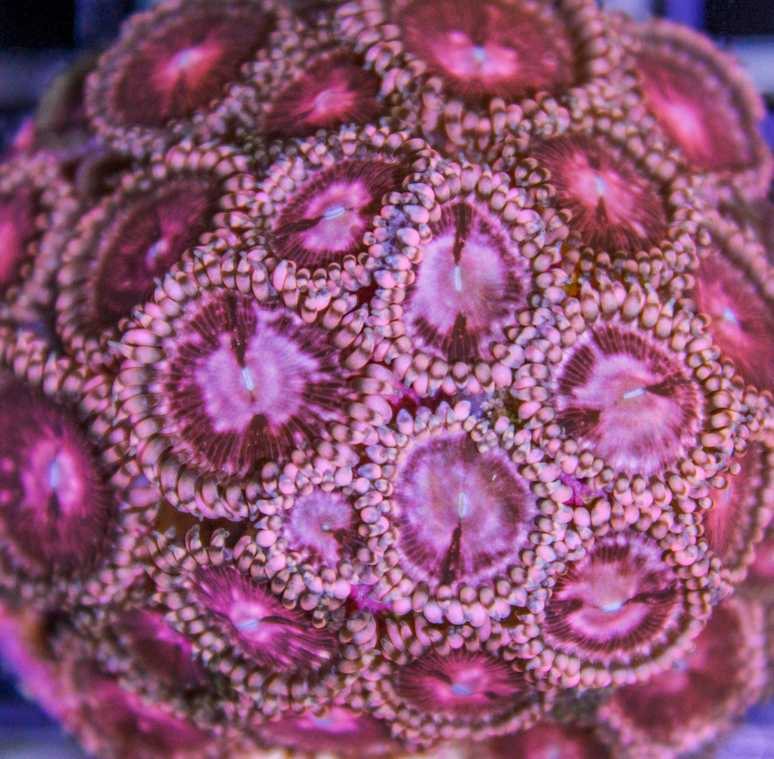
Zoas can do well under low but we recommend medium flow. For best results you want moderate, indirect random flow preferably created by a wave maker. The flow helps keep their bodies clean of any detritus build up.
Zoanthid Gardens
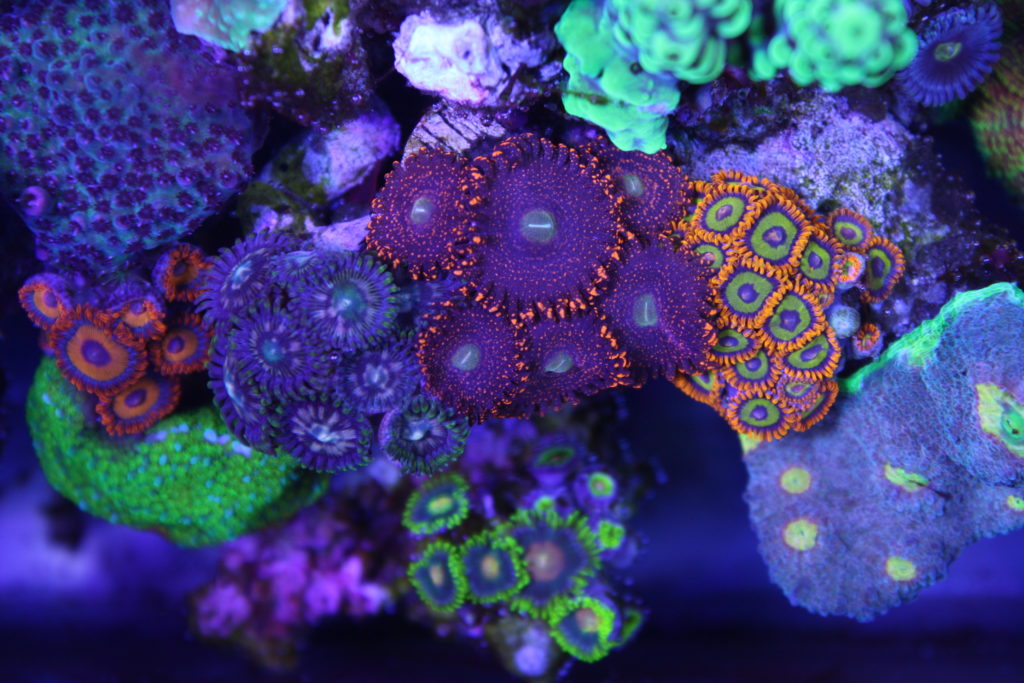
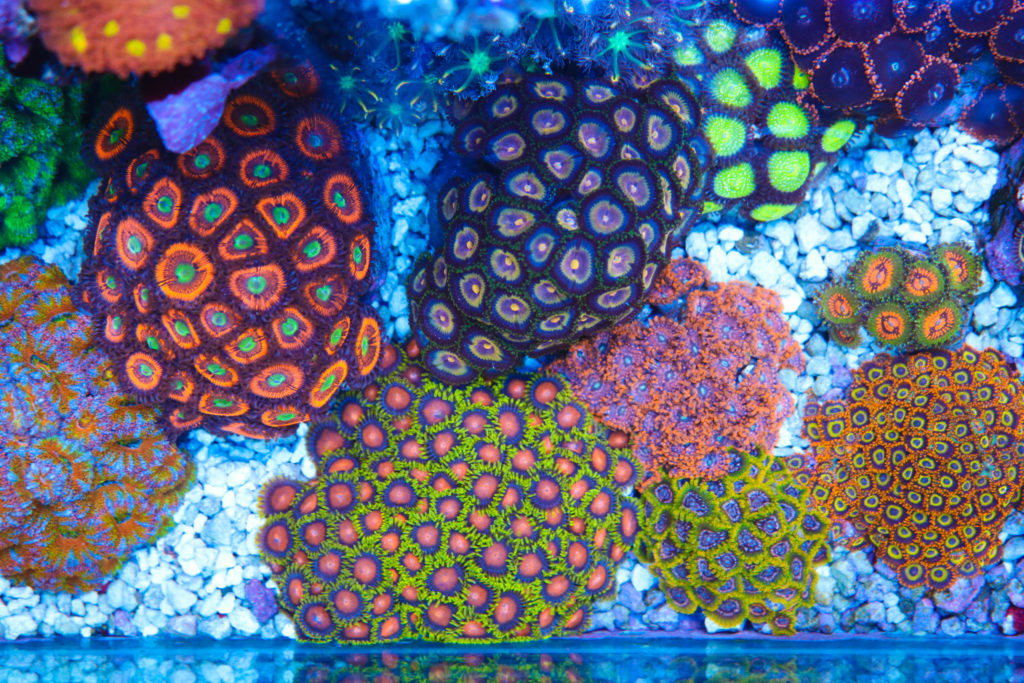
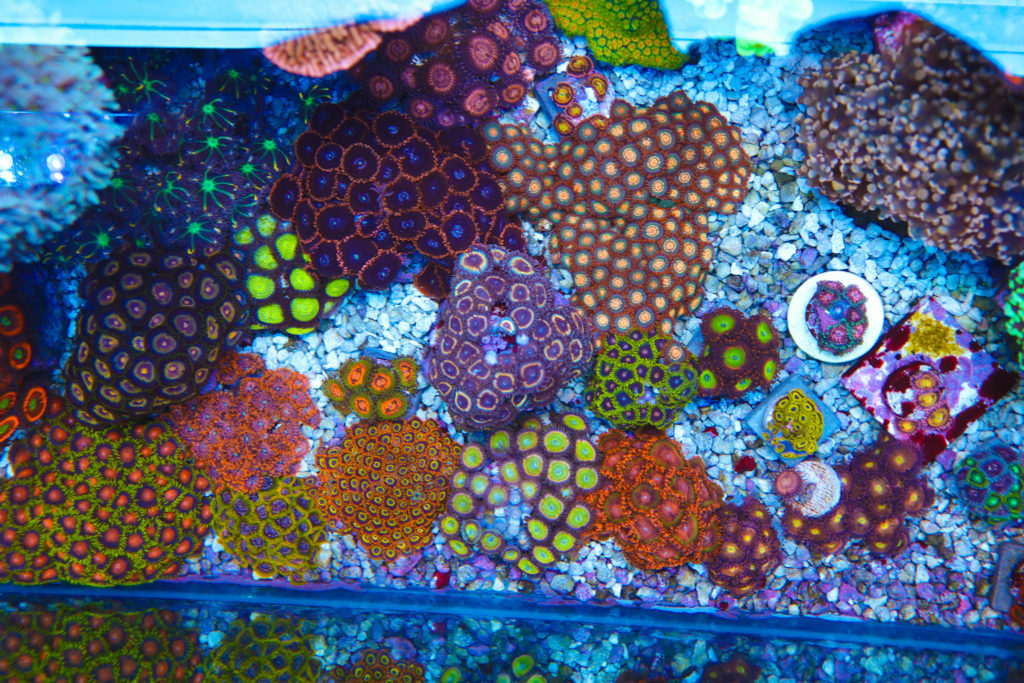
One of the coolest things hobbyists do with zoas in their reef tanks is form zoanthid gardens! Because they have virtually no sting they won\\\\\\\\\\\\\\\\\\\\\\\\\\\\\\\’t hurt each other and they also won\\\\\\\\\\\\\\\\\\\\\\\\\\\\\\\’t sting other corals. They can be placed directly next to other zoas and corals with no ill effects.
Zoanthid Feeding
Zoanthids are all photosynthetic and do not need to be fed. They however do LOVE to eat and can be fed a variety of different foods. We feed our zoanthids a combination of coral curry, reef roids & vitalis mixed reef food .
Propagation & Toxicity
Zoas are fun and easy to propagate. SOME strains contain palytoxin and it\\\\\\\\\\\\\\\\\\\\\\\\\\\\\\\’s impossible to identify which strains those are. Always use gloves when fragging. Never squeeze zoas as this can cause them to shoot out toxin. Always use safety goggles when fragging. NEVER BOIL ZOANTHIDS.
Dipping Zoas
Because zoas have 4 known pests it\\\\\\\\\\\\\\\\\\\\\\\\\\\\\\\’s always good practice to dip zoas with coral rx or two little fishies revive coral dip before adding them to your aquarium.